Category Archives: MISC

Hartz-IV-Reform: So müsste das System aussehen, um Arbeitslosen zu helfen
Hartz-IV-Reform: So müsste das System aussehen, um Arbeitslosen zu helfen
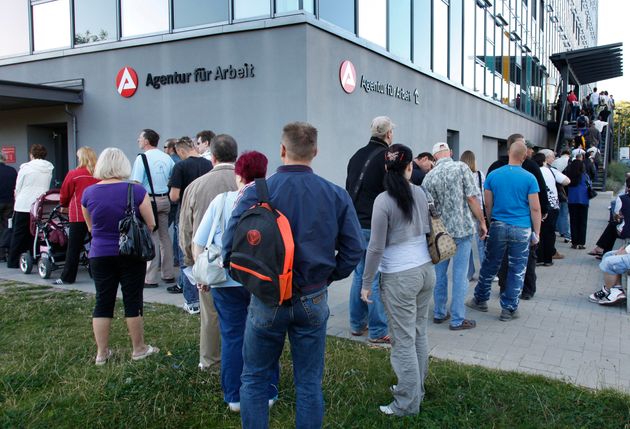
Der Besuch in einem Jobcenter wird für viele Betroffene oft zum Alptraum. 

  • Viele Hartz-IV-Empfänger berichten über Probleme mit den Jobcentern
  • Eine Betroffene erklärt, wie sich das System verändern muss, um Langzeitarbeitslosen wirklich zu helfen

Menschen, die auf Hartz-IV-Bezüge angewiesen sind, haben in der Regel schon größere Probleme im privaten Bereich, bevor sie das erste Mal beim Jobcenter einen Antrag auf Unterstützung stellen.

Chronisch Kranke, Menschen mit Behinderung, Alleinerziehende, Menschen mit psychischen Problemen, ältere Menschen, die so schnell keinen Job mehr finden, Ausländer mit Aufenthaltsstatus und Arbeitserlaubnis, Einzelschicksale, von denen jeder eigentlich intensive Betreuung bräuchte, um wieder den Anschluss an den 1. Arbeitsmarkt zu finden.

Wobei ich die Klassifizierung “Erster, zweiter und dritter Arbeitsmarkt” als widersinnig empfinde, denn es gibt nur einen Arbeitsmarkt und gearbeitet wird überall gleich hart.

Nun kommen diejenigen, die eh´ schon Probleme mit sich selber haben, zum Jobcenter und erhoffen sich Hilfe von den Sachbearbeitern.

Im Jobcenter kommt der erste Schock

Zumindest haben sie die Hoffnung, dass das Leben besser wird, irgendwann, und dafür sind sie auch bereit, sich ins Zeug zu legen, Bewerbungen zu schreiben, aktiv bei der Arbeitssuche mitzuwirken und Eigeninitiative zu zeigen.

Keiner sitzt gerne auf lange Sicht tatenlos zu Hause herum. Das mag nur für ein paar Wochen ganz angenehm sein, aber dann setzt die Langeweile ein und gleichzeitig beginnt, oft unbemerkt, der geistige und körperliche Abbau.

Man lässt sich gehen und wird krank.

Nun kommen diese hoffnungsvollen Menschen zum Jobcenter und bekommen den ersten Schock, wenn sie das Antragsformular in den Händen halten.

Die Behörde will alles ganz genau wissen. Und wehe, man antwortet nicht GANZ GENAU, vergisst etwas oder lässt Fragen offen, die man nicht sofort beantworten kann.

Dann verzögert sich eben die Bearbeitung des Antrags und man steht so lange ohne Geld da.

Mehr zum Thema: Experten küren Jobcenter in Sachsen-Anhalt zum schlimmsten Deutschlands – und das völlig zurecht

Eigentlich heißt die Devise ja bei den Jobcentern: “Fördern und Fordern”. Über die teils absurden Forderungen und Schikanen kann fast jeder Jobsuchende berichten. Ich selber habe auch einschlägige Erfahrungen mit den Jobcentern gemacht, die man getrost als Schikane bezeichnen kann. Beispiele gefällig?

1. Beim Jobcenter Minden wurde ich im Jahr 2007 als “Faul” bezeichnet,obwohl ich vom Arzt durchgehend krank geschrieben war und ohne Rollator gar nicht mehr laufen konnte.

2. Das Jobcenter Troisdorf verschleppte im Jahr 2008 die Antragsbearbeitung so lange, bis ich von meinem Vermieter die Drohung erhielt, mich zwangsräumen zu lassen, da seit zwei Monaten die Miete ausstand.

3. Vom Jobcenter Troisdorf erhielt ich an Heiligabend 2010 die “Einladung”, mich am 29. Dezember zu einem Gespräch zwecks Arbeitsmöglichkeit im Jobcenter einzufinden. Zu dieser Zeit waren die Straßen verschneit und vereist.

Um einen Job zu bekommen, musste ich nach Großbritannien gehen

Man darf getrost davon ausgehen, dass die Behörden wussten, dass der 2-km-Trip zum Jobcenter für mich mit erheblichen Schwierigkeiten verbunden war, denn Rollatoren haben kein rutschfestes Radprofil und sind nicht wintertauglich.

Ich machte mich trotzdem auf den Weg und als ich bei meiner Sachbearbeiterin eintrat, schaute sie, als käme ein Geist in ihr Zimmer geschneit.

Ich erklärte ihr bei dieser Gelegenheit, dass der Amtsarzt mich dauerhaft Arbeitsunfähig geschrieben und mir nahe gelegt hatte, die Rente zu beantragen.

Um überhaupt einen Job zu bekommen, musste ich nach Großbritannien gehen.

Die Briten verstehen etwas davon, Menschen mit Behinderungen in den normalen Arbeitsmarkt zu integrieren.

Mehr zum Thema: Weil sie ihren kranken Vater pflegt, wird sie vom Jobcenter hart bestraft

Während ich von deutschen Jobcentern nur hörte: “Sie sind krank” , “Sie sind faul” , oder “Sie brauchen das gar nicht erst zu versuchen; Sie können das sowieso nicht” , fragten die Briten mich: “Kannst du das?” oder “Traust du dir das zu?” und gaben mir eine Chance, wenn ich “Ja” sagte.

Und auch wenn ich für eine bestimmte Stelle doch nicht geeignet war, halfen sie mir so lange, bis ich das Passende für mich gefunden hatte.

Das ist etwas, was ich mir von deutschen Jobcentern und Firmenbossen dringend gewünscht hätte: Akzeptanz und eine Chance, mir meine Altersrente in meinem Heimatland (Deutschland) zu erarbeiten. Statt dessen kommt meine Altersrente nun aus Großbritannien. Eine Schande für die Deutschen!

Mehr zum Thema:  Hartz-IV-Experte erklärt: So betrügen Jobcenter die Ärmsten in Deutschland

Was muss sich ändern bei den Jobcentern?

1. Zunächst einmal müsste das Klima der Angst in den Jobcentern beseitigt werden. Es kann nicht sein, dass man mit Hoffnungen in ein Jobcenter kommt und dann mit Demütigungen und Schikane traktiert wird. Die Antragstellung müsste vereinfacht werden und den Wust an Papierkram, der sich mit der Zeit ansammelt, braucht auch kein Mensch.

2. Die Sanktionen müssen weg. Es kann nicht sein, dass man vom Existenzminimum noch etwas abgezogen bekommt. Meiner Meinung nach ist dies mit den Menschenrechten unvereinbar.

3. Forderungen des Jobcenters sind ja in Ordnung; aber wo bleibt die Förderung? Die Hilfe, einen Job zu bekommen und auch zu behalten? Ein-Euro-Jobs, begrenzt auf 6 Monate, betrachte ich nicht als Förderung, da sie nicht zu einer regulär bezahlten Tätigkeit führen.

4. Oft hatte ich bei den Jobcentern den Eindruck, dass die rechte Hand nicht weiß, was die linke tut, was an der hohen Fluktuation der Jobcenter-Angestellten liegen mag.

Ich hätte mir einen festen Sachbearbeiter gewünscht, der gut ausgebildet und kompetent genug ist, auch Problemfälle wie mich auf dem regulären Arbeitsmarkt unterzubringen. Praktikantenstellen können da ein guter Ansatz sein, wenn man nicht weiß, wo seine Talente liegen.

5.Es kann nicht sein, dass Jobcenter Menschen mit leichter/mittelschwerer Behinderung oder Menschen mit psychischen Problemen in Behindertenwerkstätten abschieben, die

a) für den Steuerzahler immens teuer und

b) für die betroffenen Menschen kaum einen Nutzen bringen.

Mehr zum Thema: Deutschland feiert das Jobwunder – ausgerechnet viele Arbeitslose werden sich nicht darüber freuen

Die Behindertenwerkstätten haben schon lange keine Daseinsberechtigung mehr, wie man an Beispielen sehen kann, wie andere europäische Länder ihre Behinderten in die reguläre Arbeitswelt integrieren.

___

Christine Singh ist Autorin des Buchs “Engel kennen keine Grenzen”. Es beschreibt den Werdegang eines jungen Gründers, der aus Eifersucht unwissentlich einen behinderten Menschen zusammenschlägt und vom Sanitäter zur Wiedergutmachung verdonnert wird. 

Wie er das macht und wie seine junge Firma davon profitiert, mit behinderten Menschen zusammen zu arbeiten erfahrt ihr im Buch.

Es ist unter anderem hier erhältlich.

(jz)

www.huffingtonpost.de/entry/hartz-iv-reform-arbeitslosen-helfen_de_5a789da4e4b0d3df1d142d5d
Schulz’ GroKo-Endspiel: Wie es mit der SPD-Chef weitergehen könnte

Schulz’ GroKo-Endspiel: Wie es mit der SPD-Chef weitergehen könnte
Martin Schulz steht am Scheideweg. 

  • Der Rückhalt von SPD-Chef Martin Schulz schwindet

  • Bedenklich viele in der Führungsriege zweifeln an ihm – wie könnte es mit Schulz weitergehen?

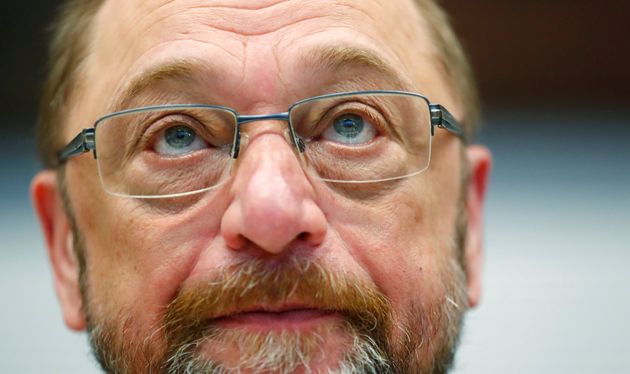
Angeschlagen und ausgezehrt – so wirkt SPD-Chef Martin Schulz nicht nur auf den Fotos aus den zähen GroKo-Verhandlungen.

Auch in der Partei verliert er an Macht, bedenklich viele aus der Führungsriege der Sozialdemokraten zweifeln inzwischen an ihm.

Nicht nur, dass die Genossen in Umfragen immer weiter nach unten rauschen.

Der schwächer werdende Rückhalt des Parteichefs äußert sich aktuell auch im Personalpoker der GroKo.

Immer lauter werden die Forderungen in der Partei danach, die Namen der künftigen Minister schon vor dem SPD-Mitgliederentscheid offenzulegen.

“Die Partei ist mit ihm durch”

Schulz müsse sich so bald wie möglich zu seinen persönlichen Ambitionen erklären, zitiert die “Welt” aus führenden SPD-Kreisen. Ein Strippenzieher sagt gar, “die Partei ist mit ihm durch”.

Mehr zum Thema: Wie die GroKo an den großen Problemen des Landes vorbeiplant

Dem SPD-Chef werden Ambitionen auf das Außenministerium nachgesagt. Offiziell will sich Schulz allerdings erst im März festlegen. Dabei geht es vor allem um seine Glaubwürdigkeit.

“Werde in keine Merkel-Regierung eintreten”

Er schloss nicht nur den Gang in eine erneute große Koalition aus, sondern betonte nach der Bundestagswahl auch: “In eine Regierung von Angela Merkel werde ich nicht eintreten.”

Fakt ist: Die Mehrheit der Deutschen ist laut einer Umfrage gegen einen Einzug von Martin Schulz als Minister in das Kabinett der geplanten großen Koalition.

Welche Zukunft hat der SPD-Chef also noch? Fünf Szenarien:

1. Szenario: Vizekanzler

Schulz hat das erste Zugriffsrecht. Um seine Macht zu sichern, kann er erklären, er geht in das Kabinett, um sein Herzensthema “Mehr Europa zu wagen” als Außenminister und Vizekanzler voranzubringen.  

Es gibt Spekulationen, dass er beim Gang in das Kabinett zur Aufgabe des SPD-Vorsitzes bewegt werden könnte – damit jemand anderes nach dem Absturz der Partei den Erneuerungsprozess glaubhaft vorantreibt. 

Fazit: Wahrscheinlich. Schulz könnte seine Macht mehren und wäre die lästige Parteierneuerung los, würde er den SPD-Chefposten räumen.

2. Szenario: Schulz vs. Scholz

Hamburgs Regierungschef Olaf Scholz gilt als heißer Kandidat, wenn die SPD das Finanzmisterium bekommt – aber er würde wohl nur wechseln, wenn er auch Vizekanzler wird.

Dafür müsste aber dann das Außenministerium an die Union fallen und Schulz leer ausgehen. Scholz hat einen guten Draht zu SPD-Fraktionschefin Andrea Nahles, mit der er de facto das neue Führungstandem bilden würde. 

Schulz wäre so geschwächt, dass dies auch zum Rücktritt als Parteichef führen könnte.

Fazit: Eher unwahrscheinlich. Die SPD ist nicht in ihrer besten Form, aber einen offenen Königsmord trauen ihr nur wenige zu.

3. Szenario: “Nur” Minister

Möglich ist auch, dass Schulz “nur” Minister wird und jemand anderes Vizekanzler, damit sich Schulz besser um die Parteiarbeit kümmern kann.

So oder so: Viele sehen das Risiko von weit aus mehr Nein-Stimmen beim geplanten SPD-Mitgliederentscheid über den Koalitionsvertrag, wenn Schulz nicht vorher sagt, was er in Sachen Kabinett und Parteivorsitz vorhat.

Fazit: Eher unwahrscheinlich. Schulz ist nicht nach Berlin gekommen, um neben Merkel in einem zweitrangigen Ministerium zu versauern.

4. Szenario: Chaos

Wenn Schulz sich nicht erklärt, vor oder während des rund drei Wochen dauernden Mitgliederentscheids oder sich abzeichnet, dass Schulz’ Schlingerkurs eine Zustimmung gefährden könnte, oder es im Vorstand zur Machtfrage kommt, könnte die Lage aus dem Ruder laufen. 

Fazit: Gar nicht so unwahrscheinlich. Die SPD hat gewisse Erfahrung mit überraschenden Stürzen, wie das Drama um Kurt Beck im September 2008 am Schwielowsee zeigte.

5. Szenario: Europa

Auch dieses Szenario wird hinter verschlossenen Türen diskutiert. 

Schulz wird nach Europa weggelobt, indem ihm mit Hilfe von Bundeskanzlerin Angela Merkel (CDU) zum Beispiel der Job eines EU-Kommissars nach der Europawahl 2019 fest versprochen wird.

Fazit: Eher unwahrscheinlich. 

Mit Material der dpa

(jg)

www.huffingtonpost.de/entry/schulz-groko-endspiel_de_5a795cece4b00f94fe947484

Trump will zur Russland-Affäre aussagen – seine Anwälte sind nicht begeistert

Trump will zur Russland-Affäre aussagen – seine Anwälte sind nicht begeistert
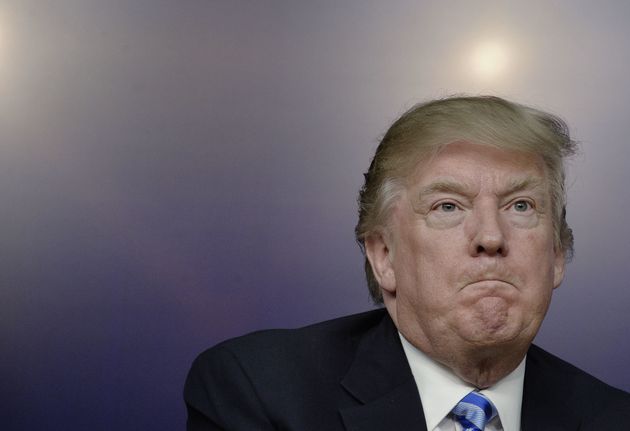
Schnell dabei, sich zu verplappern: US-Präsident Donald Trump.

Mehrere Anwälte von Donald Trump sollen dem US-Präsidenten davon abgeraten haben, sich in der Russland-Affäre auf eine Befragung durch Sonderermittler Robert Mueller einzulassen.

Das ist passiert:

► Die Anwälte seien besorgt, dass Trump sich bei einer Befragung möglicherweise des Vorwurfes schuldig machen könne, die Ermittler anzulügen, berichtete die “New York Times”.

► Die Zeitung berief sich dabei auf vier mit der Sache vertraute Personen.

► Trump selbst hatte vor knapp zwei Wochen erklärt, er wolle mit dem Sonderermittler sprechen und würde dies sogar unter Eid tun. Es hänge aber von seinen Anwälten ab.

Mehr zum Thema: Trumps Sohn taucht in Talkshow auf – und bringt seinen Vater mit zwei Worten in die Bredouille

Darum ist es wichtig:

Mueller ermittelt, ob es im US-Wahlkampf eventuell illegale Absprachen zwischen Trumps Wahlkampfteam und Moskau gab. Dem Vernehmen nach wird außerdem geprüft, ob Trump versucht hat, die Ermittlungen zu untergraben.

Lehnt der Präsident eine Befragung ab, hätte Mueller die Möglichkeit, ihn mit einem sogenannten Subpoena vorzuladen, damit er vor einer Jury aussagt. Trumps Anwälte glauben laut der “NYT” nicht, dass dies passieren wird. 

Mehr zum Thema: Wie Trump die Russland-Ermittlungen sabotiert – und damit durchkommt

Das müsst ihr noch wissen:

Die Entscheidung über ein Gespräch mit dem Sonderermittler ist nicht die einzige heikle Angelegenheit, mit der sich Trump derzeit in der Russland-Affäre konfrontiert sieht.

Am Montagabend stimmte der Geheimdienstausschuss des US-Kongresses einstimmig dafür, dass die Demokraten in der Debatte um das umstrittene Russland-Memo der Republikaner ihr eigenes Papier veröffentlichen dürfen.

► Es liegt nun an Trump, ob das Dokument freigegeben wird. Er hat fünf Tage Zeit, sich zu entscheiden.

Mehr zum Thema: Was alle wissen sollten, die glauben, dass Donald Trump bald des Amtes enthoben wird

(jg)

www.huffingtonpost.de/entry/trump-will-zur-russland-affare-aussagen-seine-anwalte-sind-nicht-begeistert_de_5a794782e4b00f94fe945b24

NYダウ、1175ドル安 リーマン・ショック抜く過去最大の下げ幅

NYダウ、1175ドル安 リーマン・ショック抜く過去最大の下げ幅
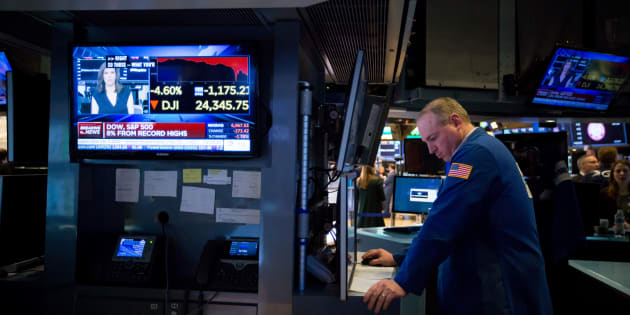
ダウ平均が過去最大の下げ幅となった2月5日のニューヨーク証券取引所

2月5日のニューヨーク株式市場のダウ工業株30種平均は大幅続落し、前週末比1175.21ドル安の2万4345.75ドルで取引を終えた。共同通信などが報じた。

1日の下げ幅としてはリーマン・ショックを受け世界的に景気が悪化した2008年9月29日の777ドルを抜いて、過去最大となった。

NHKニュースによると、ニューヨーク株式市場は、アメリカの好調な企業業績やトランプ政権の税制改革への期待などを背景に先月までほぼ一本調子で値上がりしてきた。しかし、1月30日にアメリカの長期金利が上昇したことをきっかけに、2営業日続けての大幅な値下がりになった。

同ニュースによると、市場関係者は「ダウ平均株価は年初から急ペースで値上がりし高値への警戒感が出ていた中で大きく値下がりしたため加速度的に売り注文が膨らんだ。アメリカ経済自体は好調で企業業績も底堅いが、2営業日続けて株価が大きく下落したため市場ではいつ下げ止まるか不安に包まれている」と話しているという。

www.huffingtonpost.jp/2018/02/05/ny-dow_a_23353707/

John Mahoney Dead: ‘Frasier’ Star Dies, Aged 77

John Mahoney Dead: ‘Frasier’ Star Dies, Aged 77
British-born actor John Mahoney, who starred as Martin Crane in US sitcom Frasier, has died aged 77, his manager said.

Mahoney, who starred as Frasier Crane’s father on the hit US sitcom for more than 10 years, passed away on Sunday while in hospice care in Chicago, TMZ reports.

Born in Blackpool, Mahoney began his career on the stage in the UK before moving to the US.
The great John Mahoney passed away today at age 77. I’ve not known a kinder man nor more brilliant actor. We were all blessed to have spent 11 glorious years together. pic.twitter.com/hn3SZwuEy4

February 5, 2018
He was Dad to Frasier and Niles (AND Diane Court) but also a Father figure to us all. Rest In Peace, John Mahoney! t.co/Bj25Ppd4n6
Mahoney played the straight-talking father of Frasier and Niles Crane, who were portrayed by Kelsey Grammer and David Hyde Pierce, in the hit comedy

Frasier ran for 11 seasons from 1993-2004 and Mahoney won a Screen Actors Guild Award in 2000 in for the role.

Mahoney was also nominated for two Emmys and two Golden Globes.

www.huffingtonpost.co.uk/entry/john-mahoney-dies_uk_5a78e96ee4b00f94fe943012

Wall Street In Turmoil As Dow Jones Plummets 1,150 Points – Its Largest Single-Day Drop Ever

Wall Street In Turmoil As Dow Jones Plummets 1,150 Points – Its Largest Single-Day Drop Ever
US stocks plunged during a highly volatile day of Wall Street trading with the Dow Jones falling by more than 1,150 points, erasing all the gains it has made for the year.

At the end of a rollercoaster day, the Dow Jones Industrial Average fell by 1,175.21 points, or 4.6%, to 24,345.75.

At one point, the Dow fell 6.3 percent or 1,597 points, as it breached both the 25,000 and 24,000 levels during trading.

Fears of interest rate rises in the US in an effort to keep inflation under control  are making markets nervous.

The S&P 500 and Nasdaq indices, both key benchmarks of Wall Street, were also down considerably.

Stocks close down more than 4 percent, the biggest drop since 2011; Dow falls 1,179 points t.co/QawhgmQuSMpic.twitter.com/BT7WIOkHw3
The decline followed months of market increases, which had fuelled concerns that share prices were over valued.

The Dow’s biggest point loss until now was a 777-point drop in the global economic crisis of September 2008.

The stock market has climbed to record peaks since President Donald Trump’s election and remains up 23.8% since his victory.

Unlike many if his predecessors, Trump has frequently touted the rise of the stock market during his presidency.

As the stock market fell on Monday, the White House said the fundamentals of the US economy are strong.

London’s main share index, the FTSE 100, had earlier closed down 1.46%, and the biggest markets in Asia fell between 1% and 2.5%.

Many investors have been bracing fora backdraft for months, as the stock market has reached record high after record high with investors encouraged by solid economic data and prospects of corporate profits, the latter bolstered by recently passed tax cuts.

Friday’s January jobs report sparked worries over inflation and a surge in bond yields, as well as concerns that the Federal Reserve will raise rates at a faster pace than expected.

www.huffingtonpost.co.uk/entry/wall-streetd-down-points-ever_uk_5a78c27ae4b00f94fe94062e

Why Are The Tories At War Over Europe (Again)?

Why Are The Tories At War Over Europe (Again)?
Will the UK stay in a customs union? Is Jacob Rees-Mogg about to become Prime Minister? Are civil servants working to undermine Brexit? The Tory civil war has more back-stabbing, front-stabbing and sub-plots than Game of Thrones.

Here’s the guide we all need to what is going on, and why.

What are they fighting about this time?

It is, of course, all about Brexit. Forget for a second whether you are for or against the UK leaving the EU, and just put yourselves in the shoes of those who are desperate for it. Those who have spent their entire careers talking about it, campaigning for it, arguing in favour of it.

They were ridiculed, derided, ostracised by MPs not just on the opposite benches but those in their own party.

But in June 2016, they won the battle – a battle they never thought they would even get to fight.

Imagine the sense of relief, vindication and sheer joy.

But now imagine the worry it might be taken away. That hard-fought victory might not actually be a victory at all, as those charged with implementing the decision look to compromise at every opportunity.

There are three key strands to Brexit for those who campaigned for it. The UK taking back control of its money, its laws and its borders.

For the hardline Brexiteers, there can be no compromise on those goals.

But compromise seems to be on the horizon. The Government has already agreed to pay a divorce bill of up to £40billion to the EU. Theresa May and her Cabinet colleagues believe paying this bill is matter of honour for the UK, as the country should always make good on its commitments.

Then there is the so-called implementation period that May is calling for. This would see the UK continuing to obey EU rules for another two years after Brexit, but without any say in how they are made.

The die-hard Brexiteers were already struggling to swallow those pills before they latest row over whether the UK would completely leave the customs union once it quits the EU.

Why do I keep hearing about the ‘customs union’ all of a sudden?

Never has the difference between ‘a’ and ‘the’ been debated so intensely as when it comes to the UK’s post Brexit customs arrangements.

Quite simply, the European Union operates a customs union. This means the same tariff is charged on goods sold from countries outside the union to those within it. Animal products have an average tariff of 15.7%, sugars and confectionary have 23.6% and dairy has 35.4%.

Staying in the customs union would mean the UK would have to continue to abide by these tariffs, and therefore would not be able to negotiate trade deals with other countries. Brexiteers, therefore, want the UK out of it.

In her Florence speech last September, May gave them what they wanted when she said: “We will no longer be members of its single market or its customs union.”

However, not being part of “the” customs union is not the same as not being part of “a” customs union. In a document produced last summer, the Brexit department said the UK would seek one of two deals with the EU as part of the negotiations: A highly streamlined customs arrangement; or a new customs partnership with the EU.

Both of these options would entail some degree of mirroring what the EU’s customs union does.

To hard-line Brexiteers, this is unacceptable as it would restrict the UK’s negotiating goals.

But if this was all discussed last summer, why is everyone getting all rowdy about it now?

This issue has flared up in recent weeks after the business group the CBI called on the Government to stay in the customs union after Brexit until it becomes clear the UK can sign enough trade deals to make up for leaving it.

In the wake of this speech, Philip Hammond announced he hoped the UK to move “very modestly” away from EU rules and regulations. To Brexiteers, this was a sign that far from abandoning the red tape issued by Brussels, the UK would be still bound by it.

And what should happen a few days after this speech?

A civil service analysis is leaked showing that economic growth would be slower outside the EU – and the customs union – than if the UK stayed in.

The hard-line Brexiteers smelt a rat. They saw a direct line from the CBI speech to the leaked analysis. Rees-Mogg in particular was fuming, and believes the civil servants in Whitehall are trying to sabotage Brexit as they are institutionally against leaving the EU.

But far from having the Brexiteers in Cabinet ride to their rescue, backbench Tories were left isolated. International Trade Secretary Liam Fox said they would have to “live with disappointment” as the party’s slim grip on power meant there was little room for maneuver.

The Brexiteer anger could seemingly be heard halfway across the world. Despite being in China on trip to promote British trade with the Far East powerhouse, Fox decided it was important to hit back against accusations he was selling out on his former Eurosceptic allies. He told reporters: “It is very difficult to see how being in a customs union is compatible with having an independent trade policy.”

Note the use of the word “a” – not “the”. Fox was breaking with what the Government’s position of some alignment post-Brexit.

After attacking Hammond, civil servants and the very validity of economic forecasts, the hard-line Brexiteers seem to have moved one of its most prominent generals into shifting position.

What about Theresa May? Surely she should be sticking by what she said before? 

Theresa May has been criticised by both sides of the Brexit divide for not setting out what it is she wants from the EU negotiations. Both sides believe it is because she will give in to the opposite point of view. This weekend, it seemed the Brexiteers scored a major victory when Downing Street seemed to clarify the UK would be leaving the customs union after Brexit.

“It is not our policy to stay in a Customs Union,” a Downing Street source said.

The shift from “the” to “a” reached the top of Government.

So does this mean the battle is over?

Absolutely not. This week May will chair two meetings of her Brexit ‘war cabinet’, to discuss the UK’s future customs deal with the EU.

The options on the table are a highly streamlined customs arrangement; or a new customs partnership with the EU.

Exactly the same as those put forward last summer.

The only thing that has changed is the introduction of the word “stay” into the conversation. The UK will not “stay” in a customs union. But Downing Street has not ruled out copying aspects of the current situation, rebadging it, and claiming it is brand-new customs arrangement.

The hard-line Brexiteers won’t be happy with that, will they?

No, but the problem is, and as much as they hate to admit it, there is not a majority in the Commons to support their vision of life outside the EU.

Anna Soubry, the most vocal of all the Tory anti-Brexiteers, claimed last week there is only about 35 hard-line backbenchers as she effectively accused the Prime Minister of letting the tail wag the dog.

Additionally, and again as much as the Brexiteers might not like it, the numbers are the numbers and the forecasts are the forecasts. If ministers are being given information by civil servants flagging up the economic hit which completely leaving the customs union would cause, they have a duty to take that into consideration.

There is no doubt the sense of Brexit betrayal is strong with a small but powerful group of Tory MPs. If they wished, they could orchestrate the removal of Theresa May, but there is no guarantee they would be able install their preferred successor in Downing Street. Indeed, such a hostile act may alienate many of the middle-of-the-road Tories who just want Brexit over with, and they could scupper the grand plans of Rees-Mogg and his allies in a pique of fury.

Theresa May clearly thinks that appeasement is the best way to stave off a full-bloodied conflict – something Tory leaders have tried before. And look how that ended. 

Want to know what’s really going on with Brexit? Sign up for HuffPost UK’s Brexit Briefing – sent straight to your inbox every Thursday.
Who’s Who in The Tory Civil War…

Jacob Rees-Mogg

The MP elevated to hard-Brexiteer-in-chief is Jacob Rees-Mogg. With his double-breasted suits, old-fashioned demeanour and, some might say, outdated social attitudes, he is jokingly referred to as ‘the MP for the 1950s’ by political comedians.

But his growing power in Parliament is no laughing matter. He is the chairman of the European Research Group – a band of Tory MPs who pressure the Government to deliver a full fat Brexit. No one is sure precisely how many Tories are part of the group, but estimates range from 50 to 80 and records show current Cabinet ministers have poured money into its coffers.

Theresa May

The Prime Minister is the seeming living embodiment of the notion of being in office but not in power. Despite holding the highest elected office in the land, she seems unable – or unwilling – to make a firm decision on what the UK’s future relationship with the EU should look like.

Having backed Remain in the referendum, May seemed desperate to reassure Eurosceptics she would deliver the kind of Brexit they desired, and promised to take the UK out of the Single Market and look again at Customs Union membership in her Lancaster House speech in January 2017.

Yet her plan for a two-year transition period after March 2019 on the same rules as the UK’s current EU membership have riled up Brexiteers, who are scared of betrayal.

David Davis

The man who came in from the cold, it seemed David Davis’ frontbench career was over until Theresa May appointed him Brexit Secretary in July 2016.

Despite being heralded by Brexiteers as one of their own when he was given the job, he has started to depart somewhat from the hardline ethos of the Rees-Mogg crowd. Davis is fully behind the two-year implementation period, even if that means EU law will continue to apply after March 2019.

Boris Johnson

The front-man of the official Leave campaign, Boris Johnson is desperate to make sure the cause he so controversially supported is delivered in full and is a success.

Ahead of last year’s Tory conference the Foreign Secretary made a flurry of interventions, saying the transition period should not last “a second longer” than two years, and current rules on freedom of movement should end in March 2019.

Philip Hammond

The constant attacks on the Chancellor by hard-line Brexiteers show just how despised he is. As Foreign Secretary before the referendum, Hammond talked of “lighting a fire under the EU”, but now it seems he wants calm waters between the UK and Brussels.

Seen as wanting to keep the UK as close to the Single Market and customs union as possible, the latest round of Tory bickering really kicked off when Hammond suggested Britain would only moved “very modestly” away from EU rules after Brexit.

Liam Fox

The International Trade Secretary jokes he runs the “Sunshine Department”, as his job is deliver all the good things which Brexit is supposed to bring.

In recent weeks there have been murmurings that he is turning his back on his old Brexit allies, but the truth is he is one of the most free-market loving Tories in the Cabinet.

He seems to have taken a pragmatic position on the two-year transition period, saying that having waited 40 years for Brexit, he can stomach an extra 24 months if needs be.

Michael Gove

Banished to the backbenchers after stabbing Boris Johnson in the back during his ill-fated campaign to be Tory leader, Michael Gove is now one of the most popular ministers in Government.

The Environment Secretary is seen to be more pragmatic than ideological when it comes to Brexit, and understands the Government has to take the 48% who voted Remain with it as much as the 52% who backed Leave.

He has already won the argument over keeping animal welfare rules as tight as they are now – seemingly beating International Trade Secretary Liam Fox in the Battle of Chlorinated Chicken.

Anna Soubry

The former Business Minister has become the Tories’ most outspoken critic of the Government’s Brexit policies. From her position in the corner of the Commons on the backbenches, Soubry takes any opportunity available to urge the Government to keep the UK inside the Single Market and Customs Union – a move which Brexiteers say would not be respecting the referendum result.

Despite receiving regular heckling from her own side, Soubry gives as good as she gets, and her interventions are cheered by Labour backbenchers.

www.huffingtonpost.co.uk/entry/brexit-civil-war-conseratives_uk_5a7889afe4b006e74aeed5b7

‘냉부’ 김신영 “38kg 감량..아파서 다이어트 시작”

‘냉부’ 김신영 “38kg 감량..아파서 다이어트 시작”

김신영이 7년 동안 38KG을 감량했다고 밝혔다.

5일 방송된 JTBC ‘냉장고를 부탁해’에서 김신영은 “7년 동안 다이어트를 하고 있다”고 말했다. 이어 김신영은 “7년동안 38KG을 감량했다. 처음에 다이어트를 시작한 이유는 아파서 시작했다. 병원에 갔더니, 10년 뒤에 이 세상에 없을지도 모른다고 하더라. 충격을 받고 다이어트를 시작했다”고 말했다.


이어 김신영은 ”별의별 다이어트는 다 해봤다. 지금도 한달에 하루 정도만 빼고 계속 다이어트를 하고 있다. 다이어트 전에는 양말을 숙여서 못신었다. 또 허각과 스타일리스가 같아 허각과 의상을 같이 입고는 했다”고 말했다. 

김신영은 ”한참 먹을 때는 2명이서 대패삼겹살 62인분을 먹은 적이 있다. 피자 뷔페에서는 24판을 혼자 다 먹었다”고 말했다. 


www.huffingtonpost.kr/entry/diet_kr_5a78597ae4b01ce33eb53312